
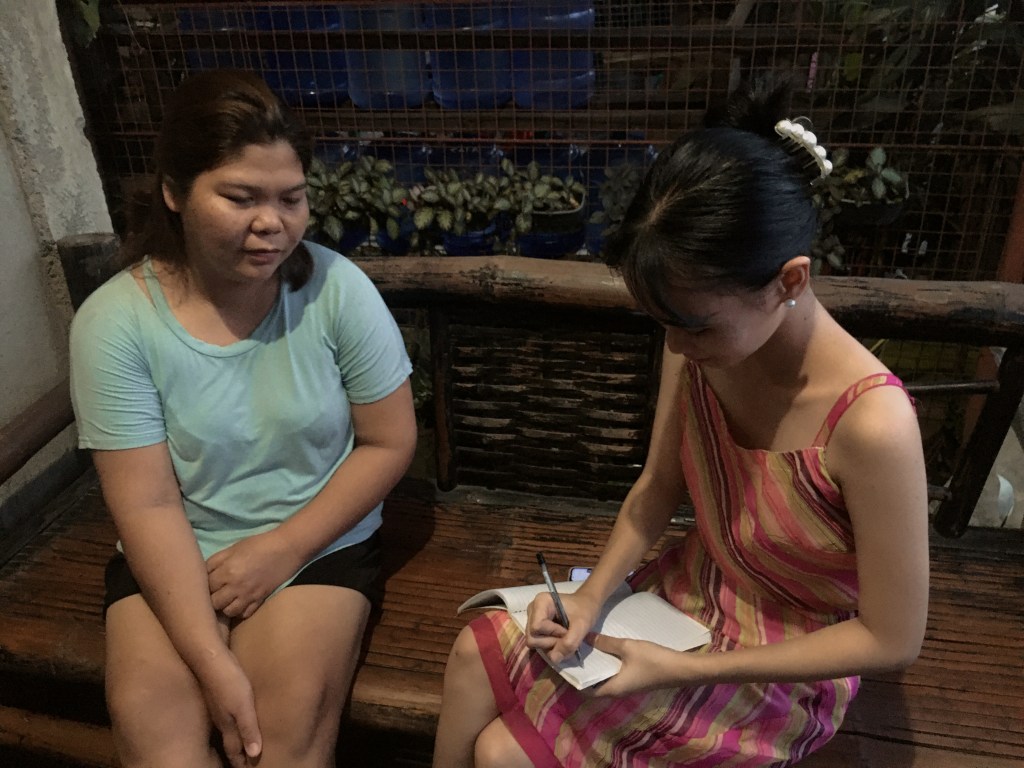
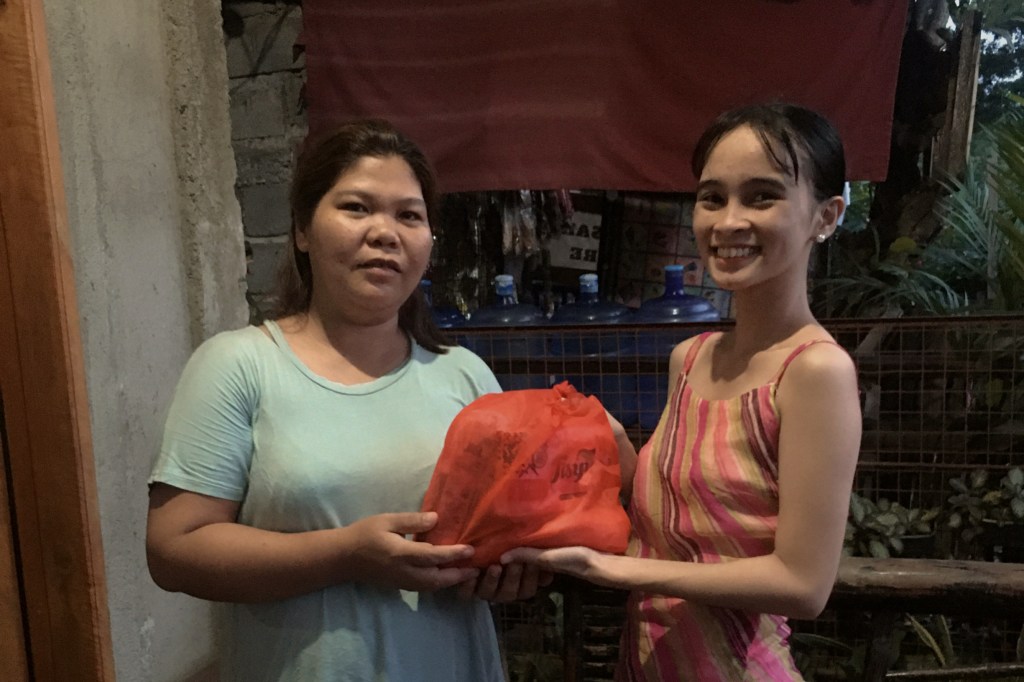
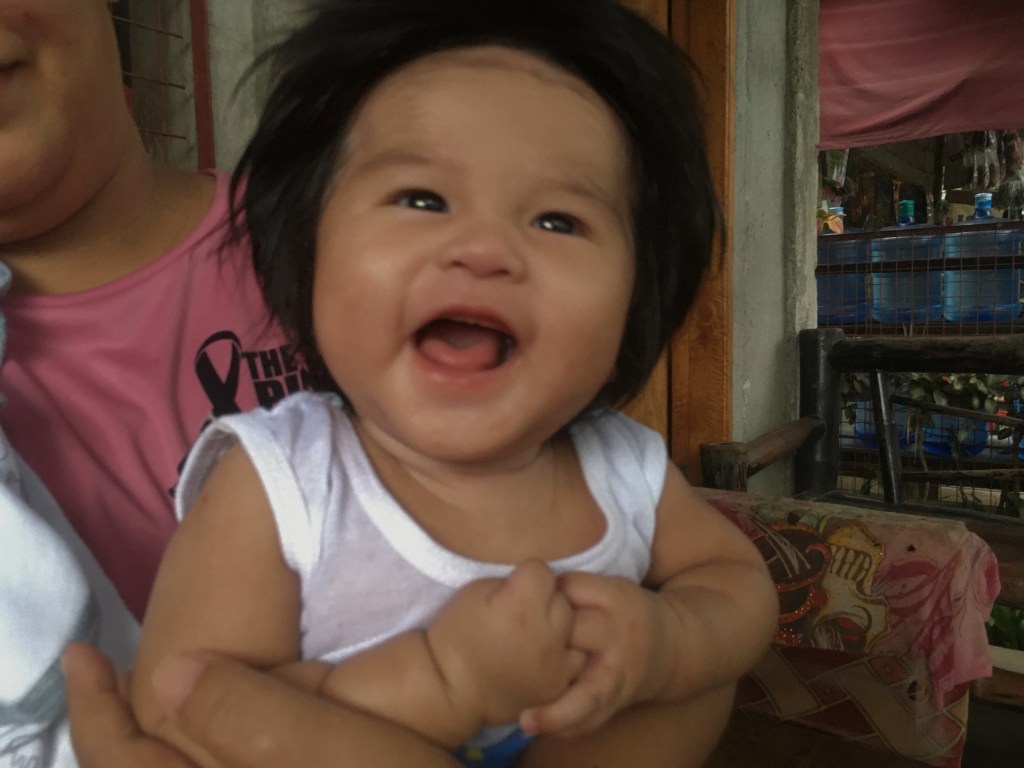
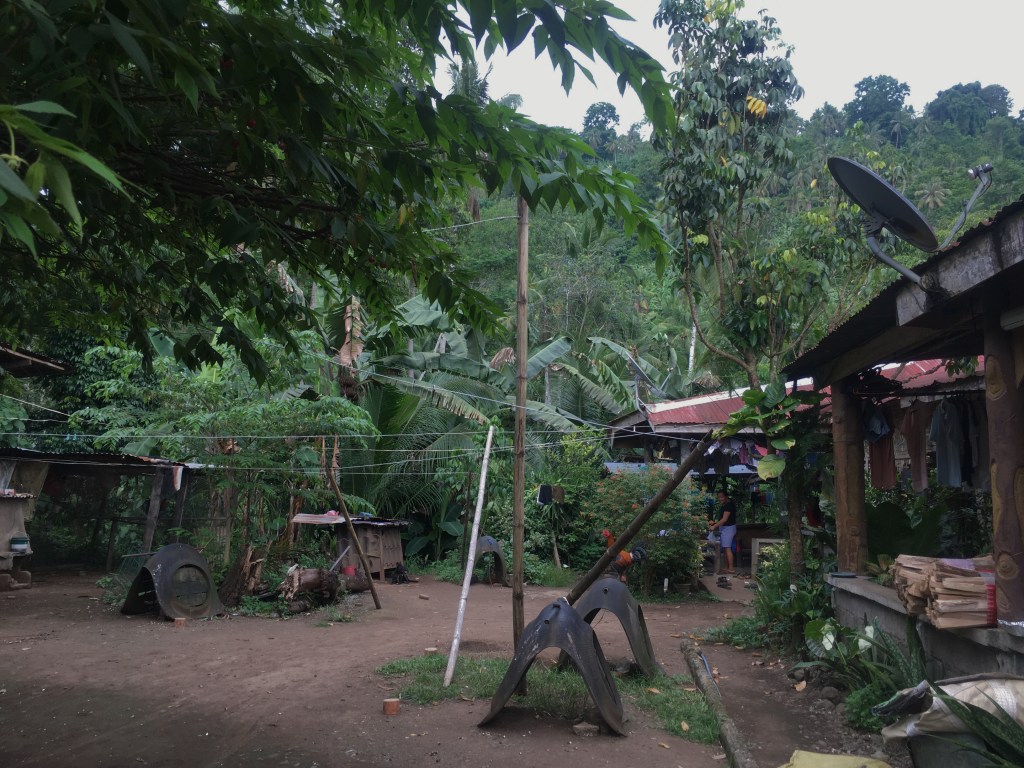
Cresilda Palaca is a 33-year-old housewife and devoted mother of four boys. Her husband works as a welder and is the family’s sole provider. Despite the challenges of raising a growing family on a single income, Cresilda describes their life as simple but happy.
Her most recent childbirth was via caesarean section. During labor, she was first brought to the Misamis Oriental Provincial Hospital (MOPH) — the nearest available hospital. However, due to a lack of proper surgical equipment, she was urgently transferred to a private hospital in Cagayan de Oro City, almost two hours away. The transfer was stressful and dangerous, especially given her condition, but thankfully, both she and the baby survived.
Cresilda shared that while she is deeply grateful for her four sons, she still dreams of having a daughter if her body is still capable of bearing more children. This reflects not just her desire for a balanced family, but also her enduring hope and strength as a mother.
Excerpt in Carrying More than Life: Four Mothers, One Struggle for Equity and Care
Her pregnancy with her fourth child was challenging for Cresilda Palaca. She had to change hospitals in the middle of the night because the one in their town, Balingasag, Misamis Oriental Provincial Hospital, which is the nearest hospital from Barangay Dumarait at approximately 5.6 km distance, lacked the necessary equipment needed to perform an emergency C-section. Instead, she had to be rushed to a bigger hospital in Cagayan de Oro City, Capitol University Medical Hospital, which is approximately 46 km away and would take about an hour and a half for an ambulance to get there. This highlights the difficulties of having a complicated birth in a place where essential medical equipment needed for emergencies is unavailable. Her husband drives a tricycle for a living, which amplifies the emotional burden of pregnancy complications due to lack of advanced maternal healthcare services nearby.
Aside from that, Cresilda also notes how she didn’t receive any ayuda (aid) postnatally due to inequity in the giving of necessary needs for the mothers.
| “Wala ko nila nalista.”
(They didn’t list me.)
She showed her dismay by admitting that she wasn’t listed, not that she didn’t choose to be a recipient; she just wasn’t given the opportunity to receive aid. Government aid programs do exist, but many families like Cresilda’s are ineligible due to lack of connections or simply because those assigned to deliver the aid to the mothers have not done a great job doing so. Why, you might ask? Well, I believe that is a question only those in power can answer. These situations demonstrate the very real issue of maternal mortality being affected by geography and discrimination rather than medical need (Combs Thorsen et al., 2012; Ramirez et al., 2020; SciDev.Net, 2024).
 YOHANNAN
Leave a comment