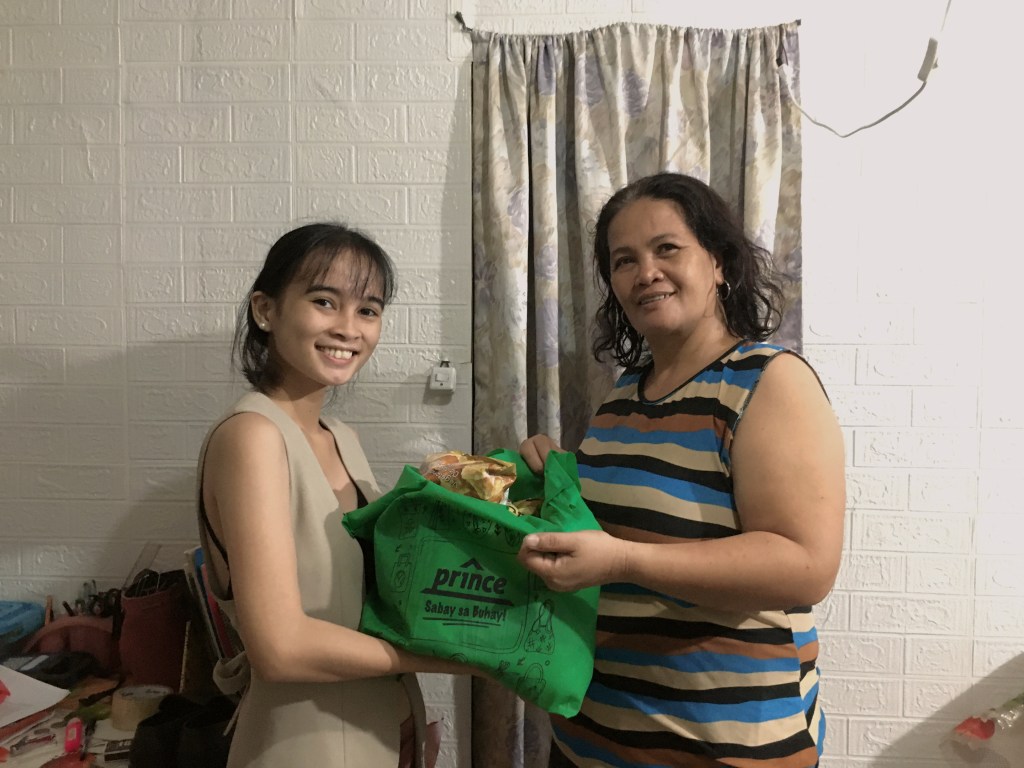
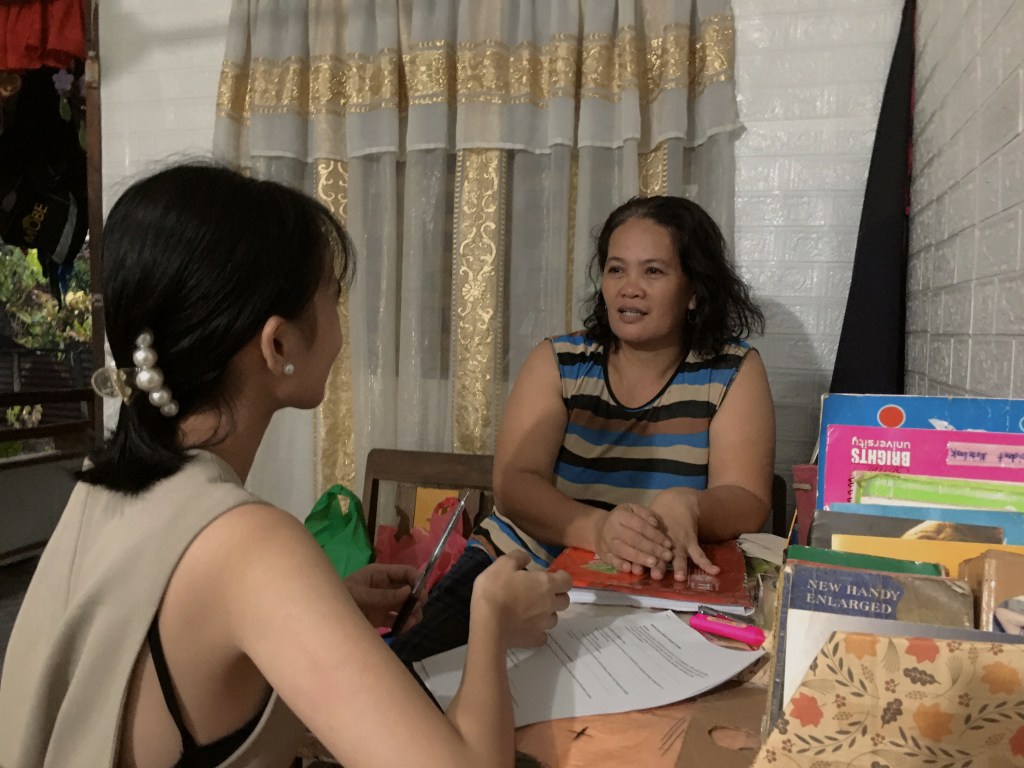


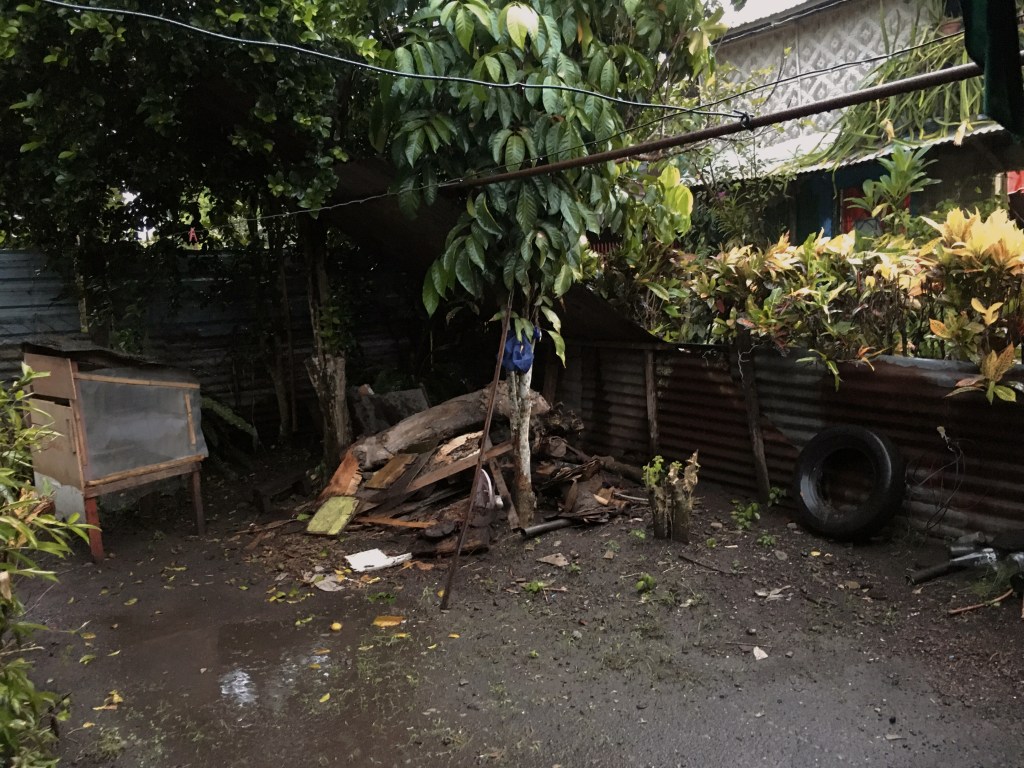
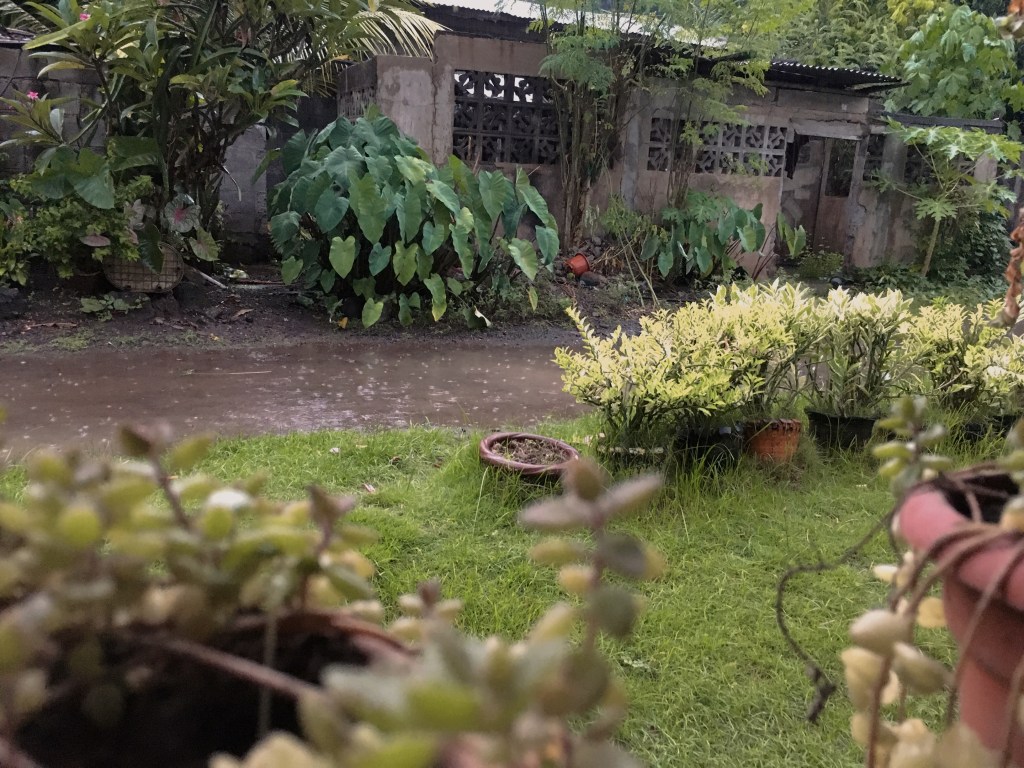
Fredilyn Mangubat got married at the age of 24 while pregnant with her first child. Unfortunately, that pregnancy ended in a miscarriage — and so did her second. Doctors told her it was due to a weak uterus, a heartbreaking diagnosis that left her and her husband discouraged but still hopeful. Determined to become a mother, she tried again, and during her third pregnancy, she did everything she could — from herbal remedies to prescribed medication — to carry the child to term. Despite a difficult and complicated delivery, her eldest son was born healthy.
Her husband drives a jeepney to provide for the family, while Fredilyn used to sell food to support their daily needs. She had to pause her work recently to focus on their newest blessing — a baby girl born unexpectedly when Fredilyn was already 40 years old. She didn’t plan to have another child at that age, but, as she says, “God has other plans indeed.”
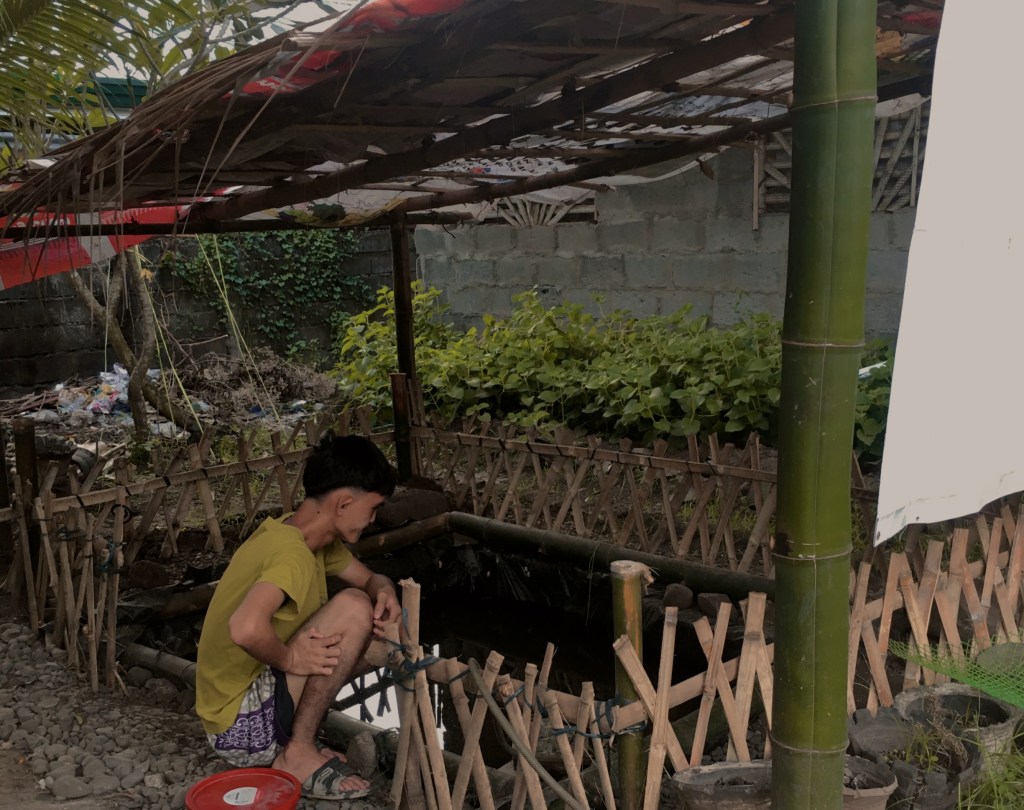
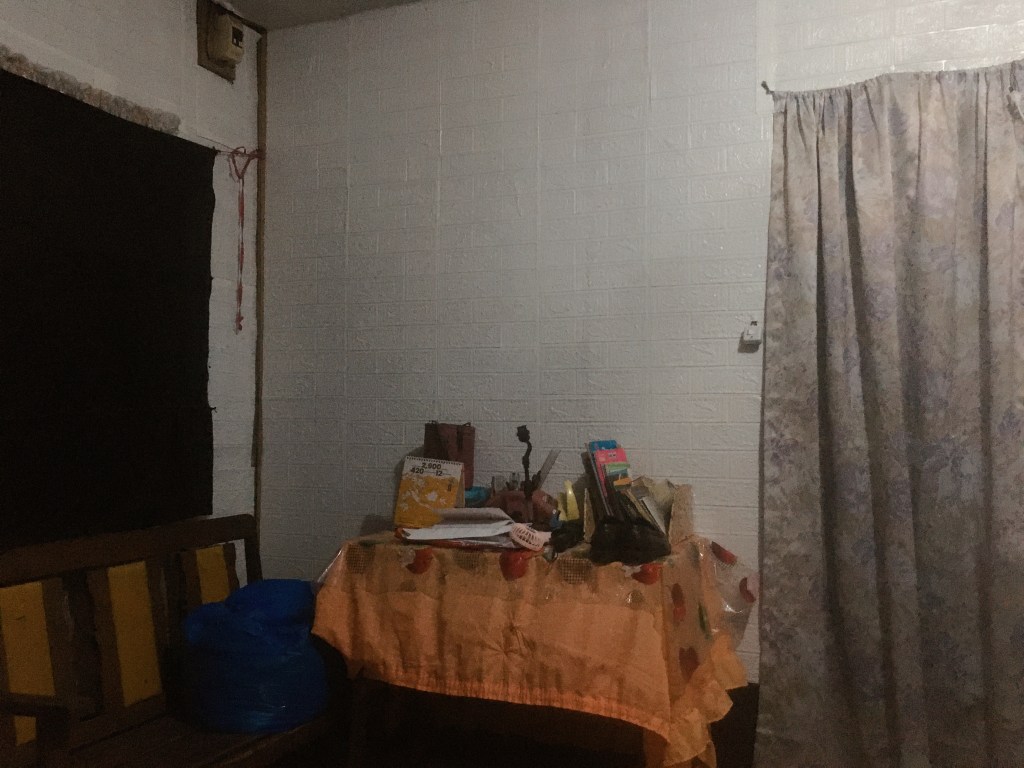
Though their life is simple and finances can be tight, especially with her husband being the sole earner most days, Fredilyn finds joy in her home. While her son spends most of his time in school and her husband is often out driving, she stays home to care for her infant. Their days may be routine, but they are filled with love, laughter, and God’s grace — which she holds on to as the anchor of her strength and joy.
Excerpt in Carrying More than Life: Four Mothers, One Struggle for Equity and Care
| Fredilyn Mangubat: Blessings Later in Life and Gaps that Still Remain
Fredilyn’s story sheds light on mysteries that lie behind the veil of cultural norms and gendered fantasies surrounding motherhood. Her journey began with two heartbreaking miscarriages, which many physicians caused by a weak uterus. After a long and painful journey, Fredilyn was finally able to give birth to a healthy son after her third pregnancy. Years later, to the surprise of the entire family, she gave birth to a baby girl. This was in addition to the 16-year-old son she already had, so it truly felt like a gift for the entire family. While her husband drove a jeepney, during that time she also sold food, which helped the family with their financial burdens; she now has the luxury of being a full-time wife and mother. The barangay health center received praise from Fredilyn for aiding her throughout her pregnancy, but medicine shortages caused her to travel to the Rural Health Unit (RHU), which is an added burden for already stressed-out mothers (Ramirez et al., 2020). Most notably, she criticizes how government aid such as 4Ps and local ayuda (aid) are given out.
| “Ang ilang style sa ilang pagpanghatag sa ayuda, pinili ra, mao nang kami, dili jud mi maapil kay ang ilang mga ilista, kato ramang ilaha ra sang mga tao.”
(Their way of giving aid is selective, so we’re really not included because the people on their list are just their own people.)
She highlights the underlying issues associated with the aid that is provided—the problem is not solely the lack of aid but, rather, the lack of fairness in providing it (Romualdez, 2023).
 YOHANNAN
Leave a comment