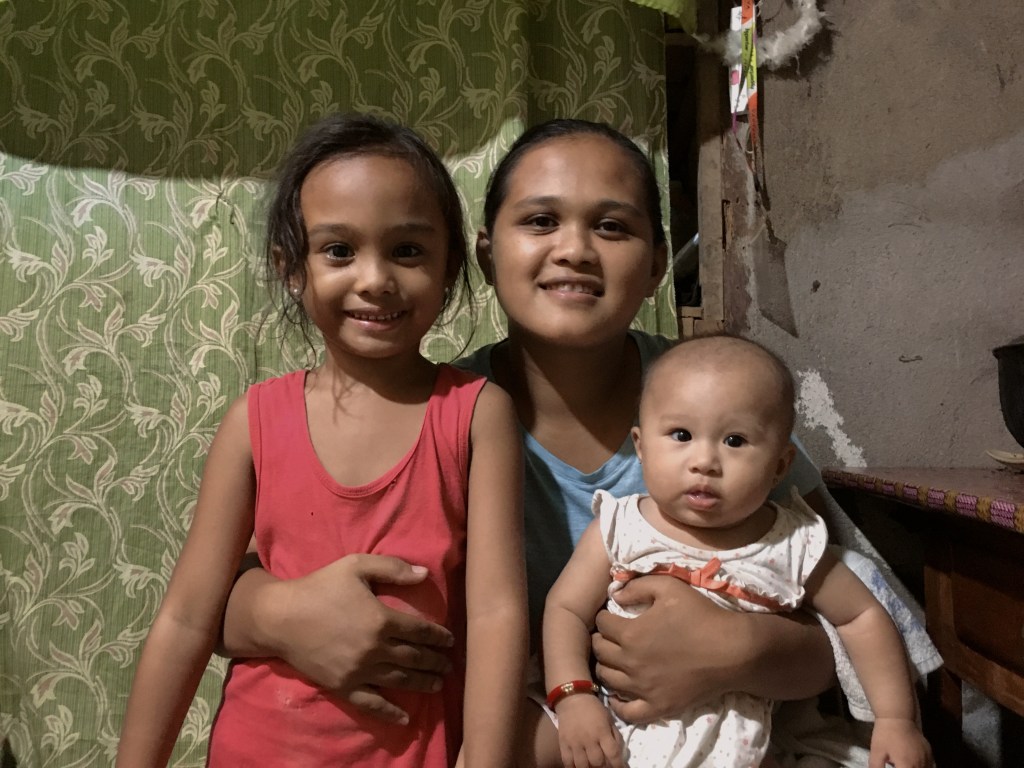

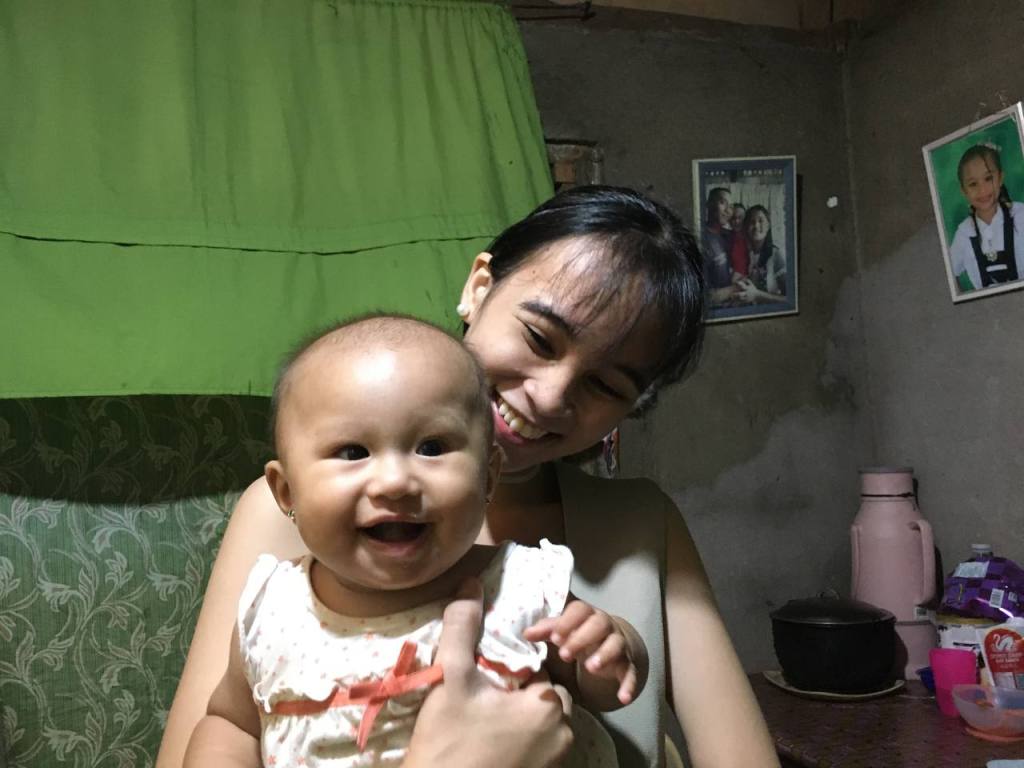
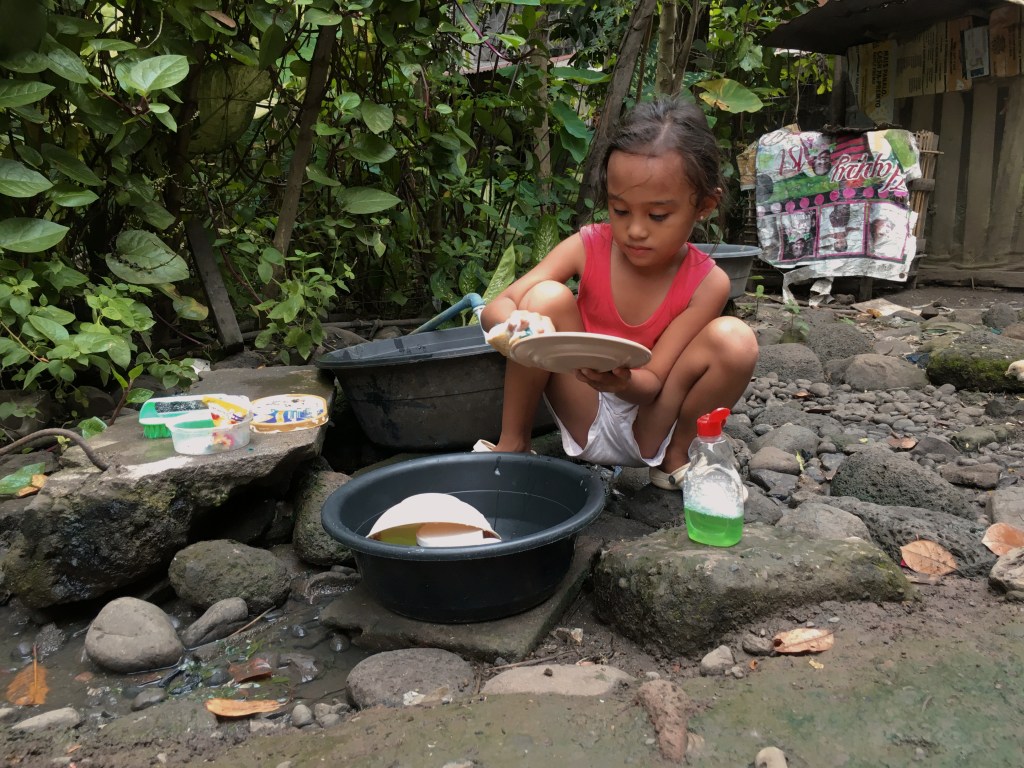
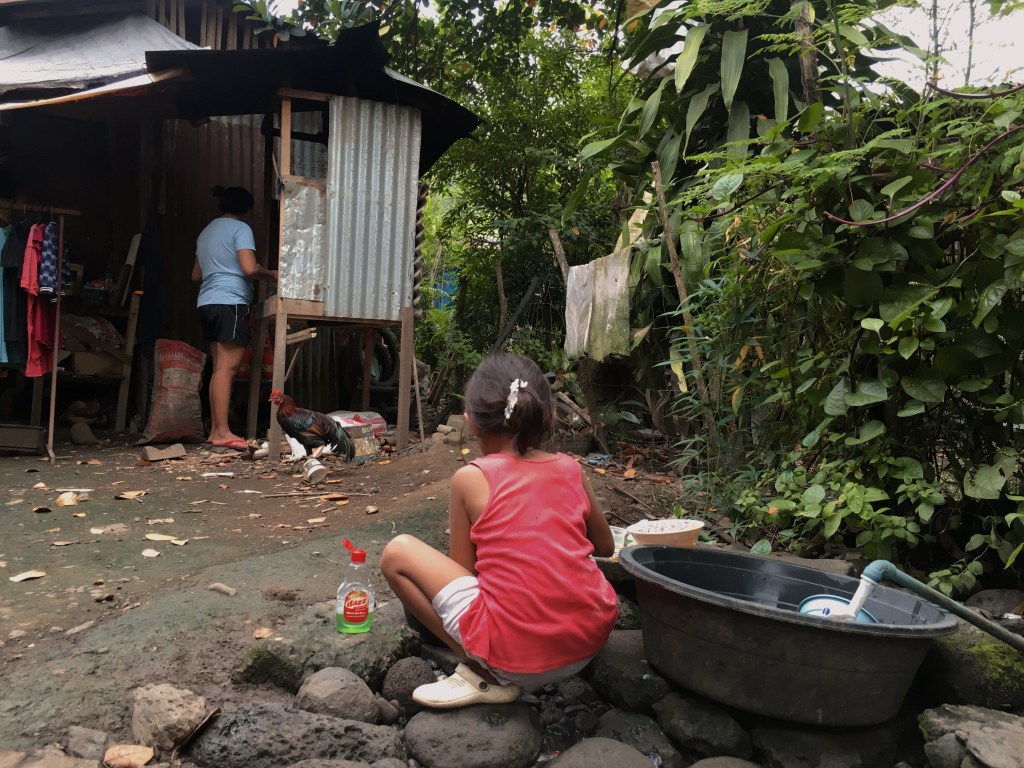

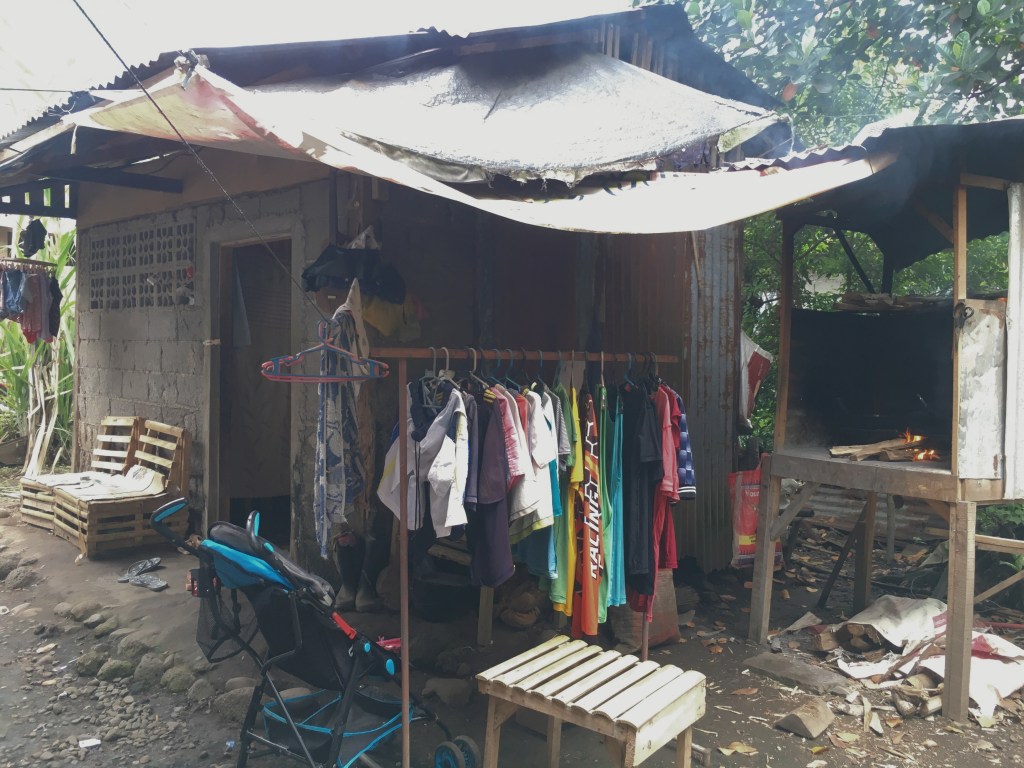

Glory-Jean first fell pregnant in 2019 when she was just 18 years of age, while still in high school. Her partner, who’s eight years older than her, became the sole breadwinner, working as a carpenter and doing manual labour to support the family. Due to the pregnancy, Jean had to stop school — but due to the pandemic, in 2021, thanks to blended learning, she proudly finished high school and got her diploma.
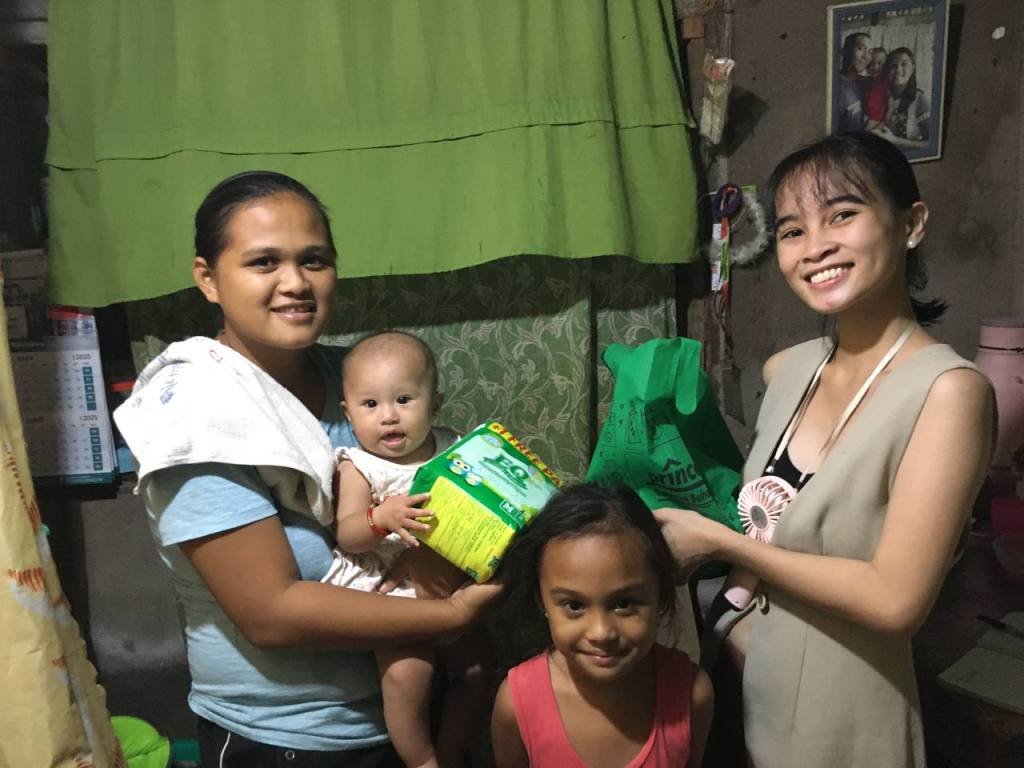
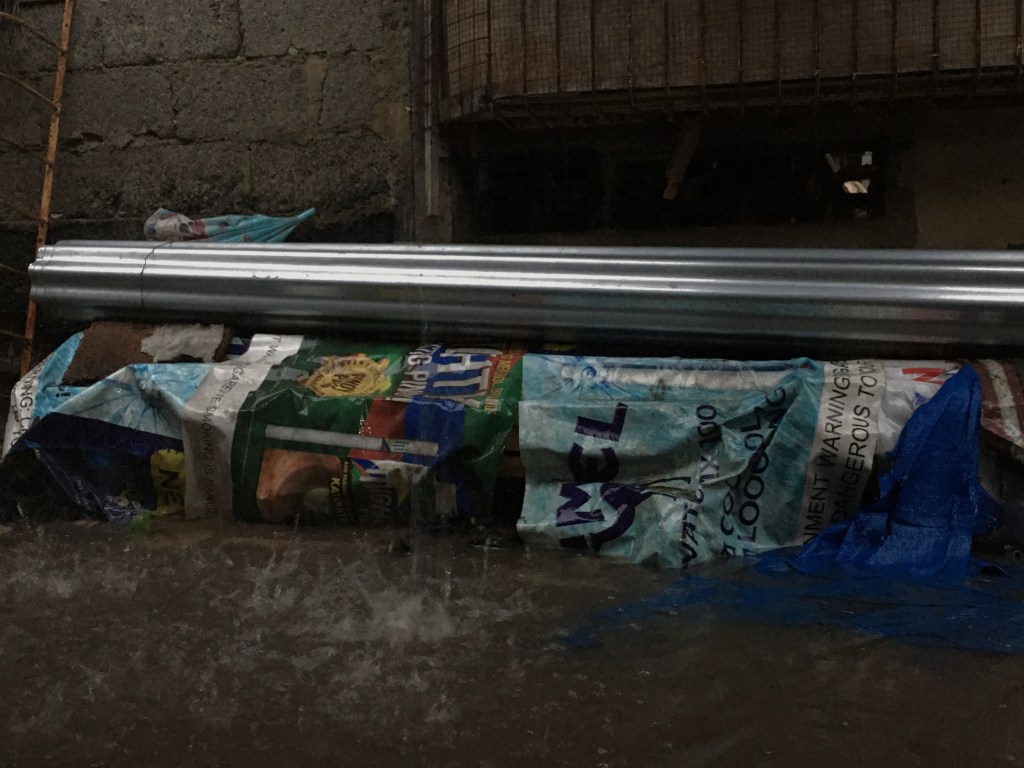
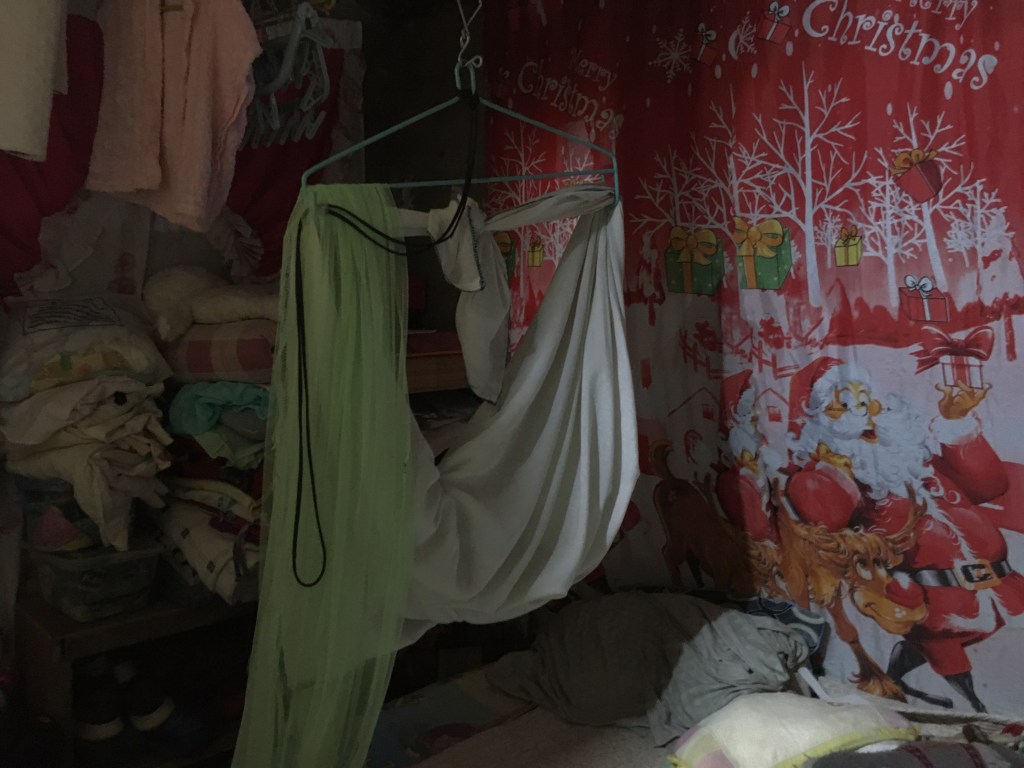
She now looks after their two daughters full-time, with the youngest just born last December. The family currently rents a tiny space from a neighbour who offered it at a lower price because of their close bond. Even with the discounted rent, Jean admits the space isn’t enough — especially now that their eldest is starting school and needs more room to play and grow.
Bills and basic needs are a constant challenge, especially with a growing child in elementary school. Still, despite the financial hardships, Jean and her little family radiate joy. The kids are such a bundle of joy and full of energy, and Jean remains optimistic and grateful for the simple things they have.
Excerpt in Carrying More than Life: Four Mothers, One Struggle for Equity and Care
When she turned 18, Glory-Jean had to drop out of school because she became pregnant. Now, at 24 and with two children, she describes how she went back to school during the pandemic, motivated by a desire to pave a better educational path for her children. Currently, she is a homemaker looking after the children while her live-in partner, who is a carpenter and labor worker, is the sole breadwinner of the family. From the barangay health center, she got complete prenatal care, but the long lines and sluggish services made the care stressful. The most lacking for her was government aid, which she felt was unavailable.
| “Wala kay kuan, kanang, gipili ra ang kuan… ang makadawat.”
(None because, uh, it’s like they only selected… who could receive.)
Autonomous help, which in her case was her family and neighbors, despite the lack of formal support, became critical—illustrating an essential informal safety net. Her story is in line with other research detailing rural maternal support system gaps (Baring et al., 2016; Ramirez et al., 2020).
 YOHANNAN
Leave a comment