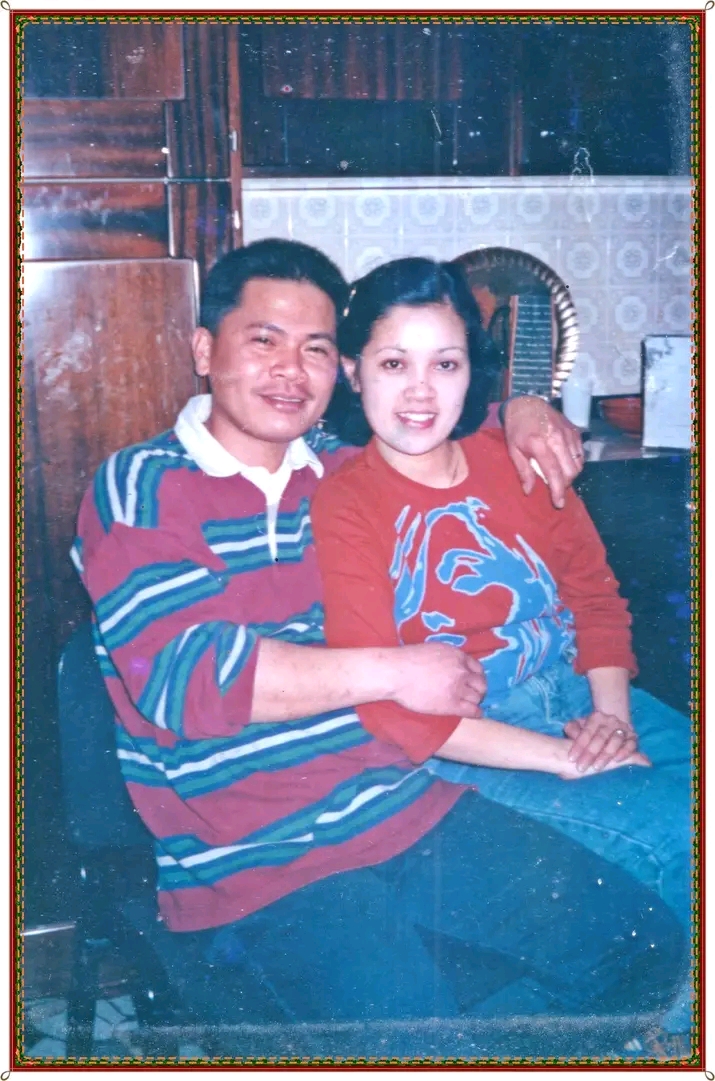
In the early months of 2020, while the world struggled to contain the spread of COVID-19, Victoria Hernandez was thousands of miles away from home, working as an overseas Filipino worker (OFW). Like many others, she had endured years of homesickness and hard labor abroad in exchange for a better future for her family.
But a call from home shattered everything.
Her husband, who had been managing their small water refilling station in San Fernando, Malvar, Batangas suffered a stroke. Alone and vulnerable during the height of the pandemic, he later contracted COVID-19 while in recovery. By the time Victoria secured a flight back to the Philippines, he had passed away.
She arrived not to the embrace of her husband, but to his absence. A quiet house filled with grief, three daughters in shock, and a business teetering on collapse. There was no time to mourn. With no stable income, no one else to take the reins, and three children still in school, Victoria stepped into a role she never prepared for.
“She didn’t even get to rest,” said her eldest daughter. “The next morning, she was checking the filters, answering calls, and handling deliveries. She just moved.”
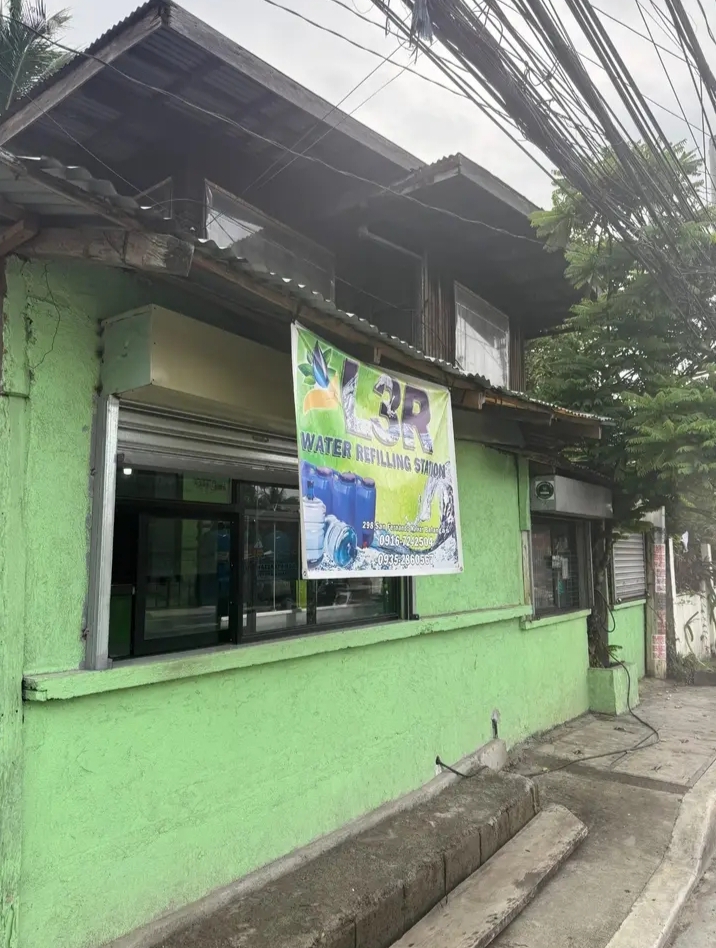
The water refilling station, a business her husband started in 2018, was their only source of livelihood. And now, it rested entirely on her shoulders.
Victoria had no background in running a business. As an OFW, her experience was in caregiving and not machines nor water purification, or logistics. Every day presented a new challenge: she had to learn how the equipment worked, how to sanitize containers, how to manage suppliers and schedules, and how to deal with demanding customers, all while navigating her own grief.
There were moments she wanted to break down. But instead, she showed up. Every single day.
She would wake before dawn to prepare her daughters’ meals, then head to the station to coordinate deliveries. On many days, she carried and lifted gallons of water herself, doing both the manual labor and administrative work. She stayed up late managing finances, taking phone orders, or fixing minor technical problems she had only recently learned to understand.
And when her daughters struggled emotionally or academically, she was there, too, mothering through the exhaustion.
There were no headlines or grand gestures. Just steady, quiet, back-breaking work. The kind of work that keeps a family going even when the foundation has cracked.
“Sometimes I just wanted to cry alone,” Victoria admitted. “But I couldn’t. I had to be strong because no one else would do it for them.”
Her story mirrors the experiences of many OFWs who returned home under devastating circumstances during the pandemic, only to be met with more responsibility, not rest. But Victoria’s journey also reflects something deeper: the strength of a mother’s love and a woman’s will to survive not just for herself, but for those who rely on her.
Today, almost five years since her husband’s passing, the water station continues to operate. What was once unfamiliar is now second nature to her. Neighbors know her not just as a business owner, but as a woman who never gave up. Her daughters remain in school, watching her closely, learning what resilience looks like in real life.
Victoria never asked to be in this position. She didn’t plan to become a businesswoman, a widow, or a sole provider. But when life left her no choice, she stood up for her children, for the memory of her husband, and for the dream they once built together.
And she keeps standing, still.
 YOHANNAN
Leave a comment