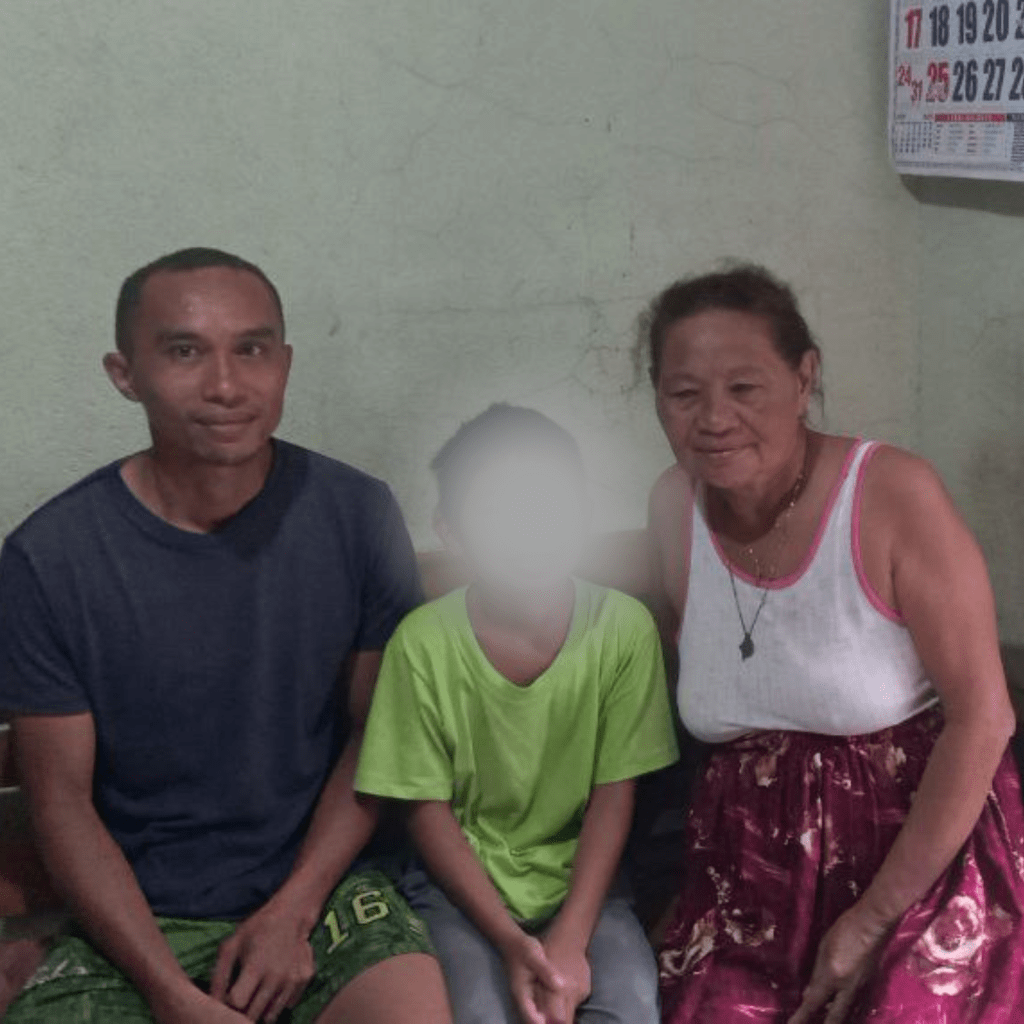
Fedila Obial, a 65-year-old widow, mother of six, and grandmother of eleven. Her life, though marked by hardship and sacrifice, glows with a kind of strength that cannot be measured by wealth, possessions, or worldly titles. It is instead measured by the countless prayers whispered in the silence of her nights, the sacrifices she made in her youth, and the guidance she continues to give—even as her own health falters under the weight of age.
Her story begins not at adulthood, but in the fragile years of adolescence. At just seventeen years old, still a child herself, she was married to a man twenty-five years her senior. “I was still confused,” she recalls. “I didn’t even know myself yet, and suddenly I was a wife.” She was thrown into a life she did not fully choose, carrying responsibilities she was not ready for. And yet, even in her confusion, she clung to the hope that love and family would bloom in time.
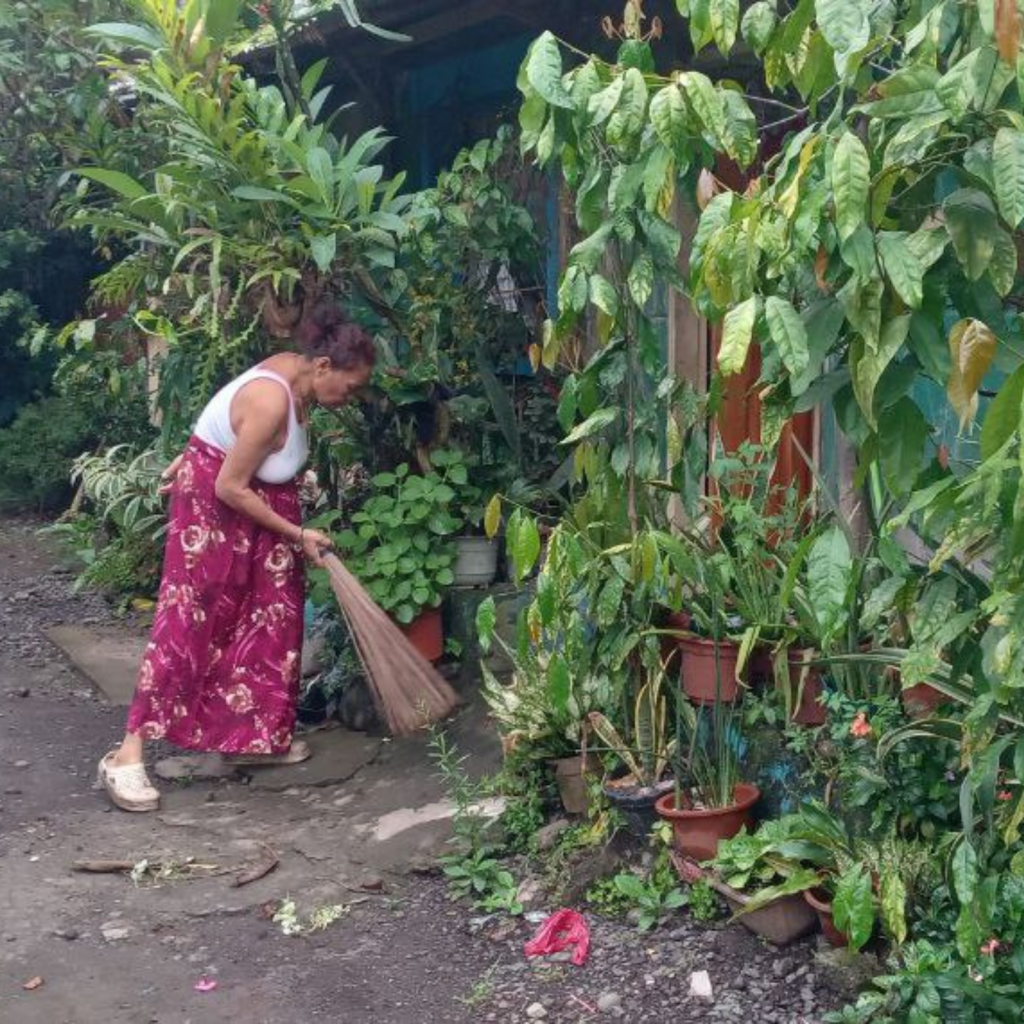
The Burden of a Young Bride
At first, her husband treated her well. But soon, the shadows of jealousy and control crept into their marriage. She endured constant shaming, accusations that cut deep, and a loneliness that no one could see from the outside. Her husband’s suspicion and words wore her down, and at one point, she left—fleeing the pain of his harshness. But even then, her thoughts could not stray far from her children. “I was gone for five months,” she admits. “But every day, I thought only of them.”
She returned, not because her wounds had healed, but because her love for her children outweighed her desire to escape. “I couldn’t imagine them without me,” she said. “I endured everything because I didn’t want my children to grow up without a complete family.”
A Mother Above All Else
Despite the turmoil in her marriage, Fedila did not allow despair to consume her. She pushed herself to finish high school, attending classes while her parents cared for her children. It was a rare act of defiance—her one decision entirely her own. Though she had few opportunities afterward, she carried her diploma not as a promise of career, but as a reminder that even in struggle, she could still rise.
She worked wherever she could—selling small goods, offering hilot (traditional massage), and taking any chance to earn enough to feed her children. Her marriage gave her little peace; her husband’s jealousy grew worse, and emotional abuse became a constant companion. But in her six children, she found her reason to endure. They became the anchor that steadied her in storms.
Her children remember those years not with resentment, but with gratitude. They never felt abandoned, even when their father’s presence brought tension. Their mother was always there—feeding them before she fed herself, guiding them with firm hands and soft prayers. “I often went without food just so my children would eat,” she confesses. “That was my joy—to see them fed.”
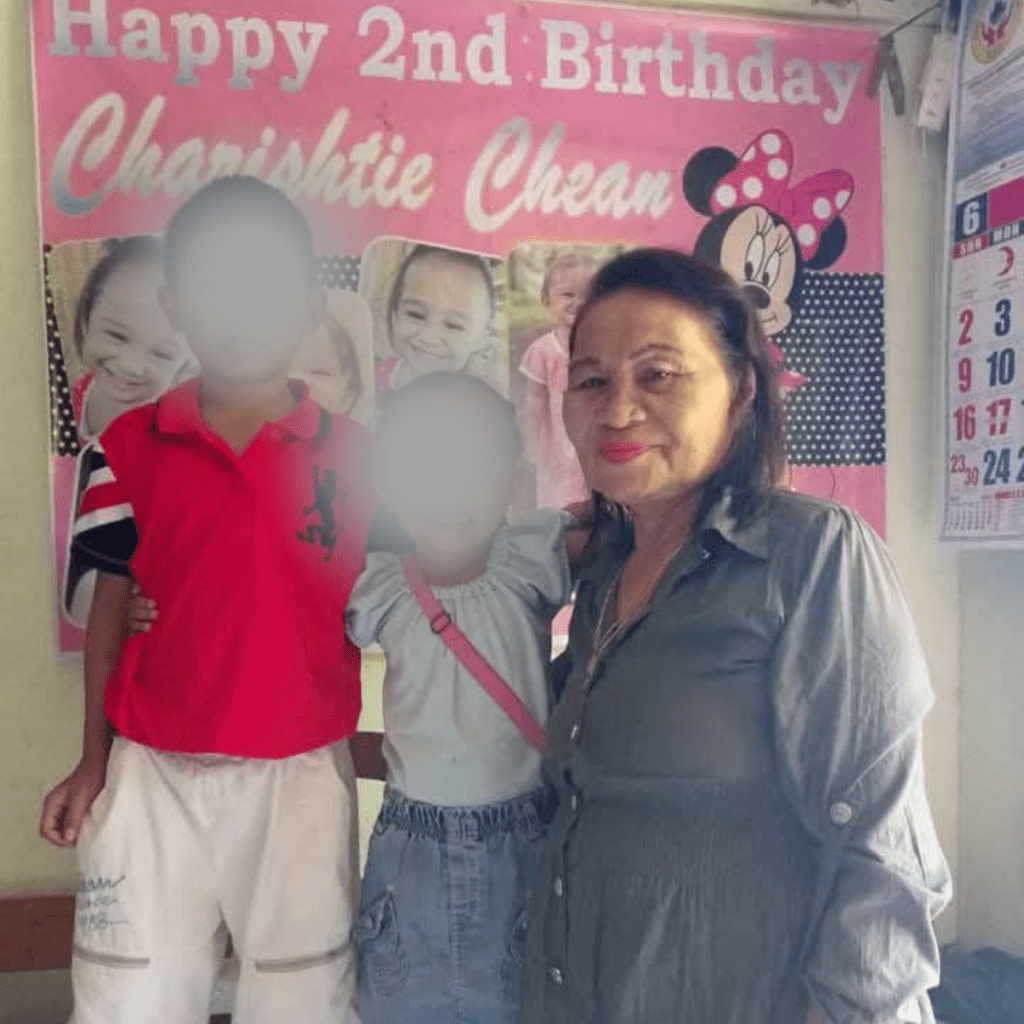
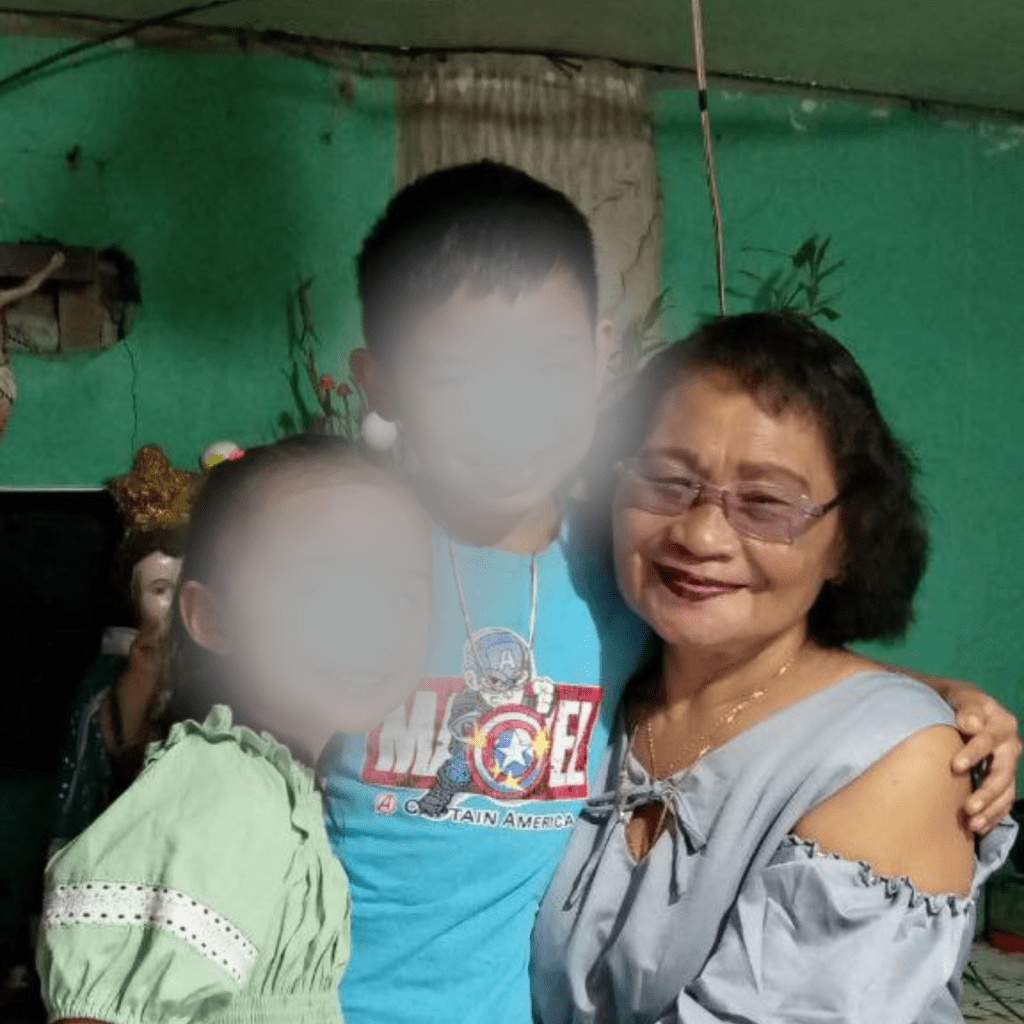
Widowhood and the Weight of Six Lives
When her husband died, Fedila was only 45 years old. Her youngest was just seven, and the burden of raising six children alone fell entirely on her shoulders. Some of her children did not finish school—poverty and hardship made it impossible—but she never let them lack the essentials of love, discipline, and guidance.
There were nights when she wept silently, wondering how long her strength would last. There were days when her health failed her body, yet she kept moving. Through diabetes, through high blood pressure, through hunger and exhaustion—she persisted. Because for her, giving up was never an option.
“Children cannot be replaced,” she often reminds others. “A mother’s reward is not repayment—it’s seeing them grow into good people.”

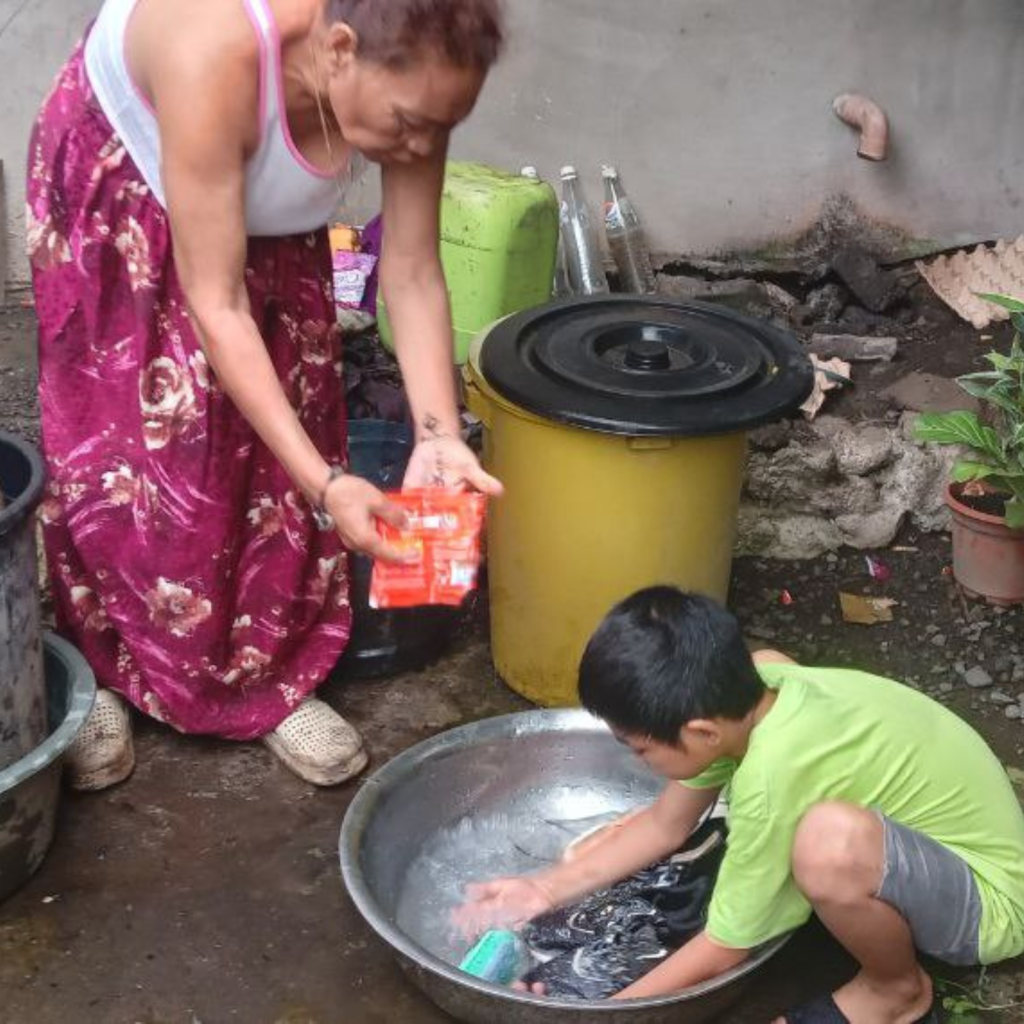
The New Generation
Now, as her children are grown men, she finds herself facing a new challenge: understanding the ways of the “new generation.” Some of them drink, some are stubborn, some make choices that confuse and worry her. Yet, she does not stop reminding them of the values she raised them with. Even when they resist her discipline, she chooses patience.
“Sometimes I wonder if it’s just this new generation,” she says with a soft laugh. But her worry is real—she fears that the choices of her children may lead them astray. Still, her love does not waver. She remains their guide, their critic, and their unwavering mother.



A Grandmother’s Mission
Now, her mission continues through her eleven grandchildren. Every night, she tutors them, teaches them discipline, and instills in them the value of education—the very thing she longed for her children to embrace fully. With failing health and tired hands, she presses on, because in them she sees another chance for her sacrifices to bear fruit.
“I have no wealth to leave them,” she says quietly. “Only guidance and prayers.”
Her hope is that her grandchildren will not repeat the mistakes of their uncles. She wants them to study, to dream, to build the lives she once wished for her children. She believes that poverty is not an excuse, but she acknowledges that her sons lacked the drive to pursue brighter futures. For her grandchildren, she does not want the same story repeated.
The Legacy of Prayer
For Fedila, strength has always come from one place: faith. Prayer has been her constant refuge, her quiet companion, her source of peace when the world offered none. She entrusted her life, her children, and her grandchildren to God. Without land, property, or riches, her faith became the only inheritance she could give.
She tells other women who face what she once faced: “Trust everything to God. Keep praying. Work hard for your children. Don’t drown in sorrows. Don’t chase selfish desires. Children must always be the priority.”
And she means it—because she has lived it.
A Life of Quiet Resilience
Looking back, she carries no bitterness. Only hopes. Hopes that her children will one day realize the depth of her sacrifices. Hopes that her grandchildren will value education and make better choices. Hopes that, even if she leaves no wealth behind, the legacy of her faith and love will remain unbroken.
“I endured everything because I didn’t want my children to grow up without a complete family.”
Her words echo like a vow, one that defined her life.
“I have no wealth to leave them, only guidance and prayers.”
Her philosophy, simple yet profound, is the true inheritance she offers.
Her story is not one of comfort or ease. It is one of endurance, sacrifice, and unshakable faith. She lived not for herself, but for her children and grandchildren. She bore pain in silence, hid hunger behind smiles, and gave all of herself without expectation of return.
And perhaps that is what makes her story timeless. Because true motherhood is not measured in riches or recognition—it is measured in sleepless nights, whispered prayers, quiet strength, and love that never asks to be repaid.
In the hearts of her children and grandchildren, Fedila Obial will always remain more than a mother and grandmother. She is their teacher, their guide, their source of faith. A woman who gave everything she had—and even the things she didn’t have—so that her family would never feel empty.
 YOHANNAN
Leave a comment